Understanding Community Dynamics in Shared Workspaces
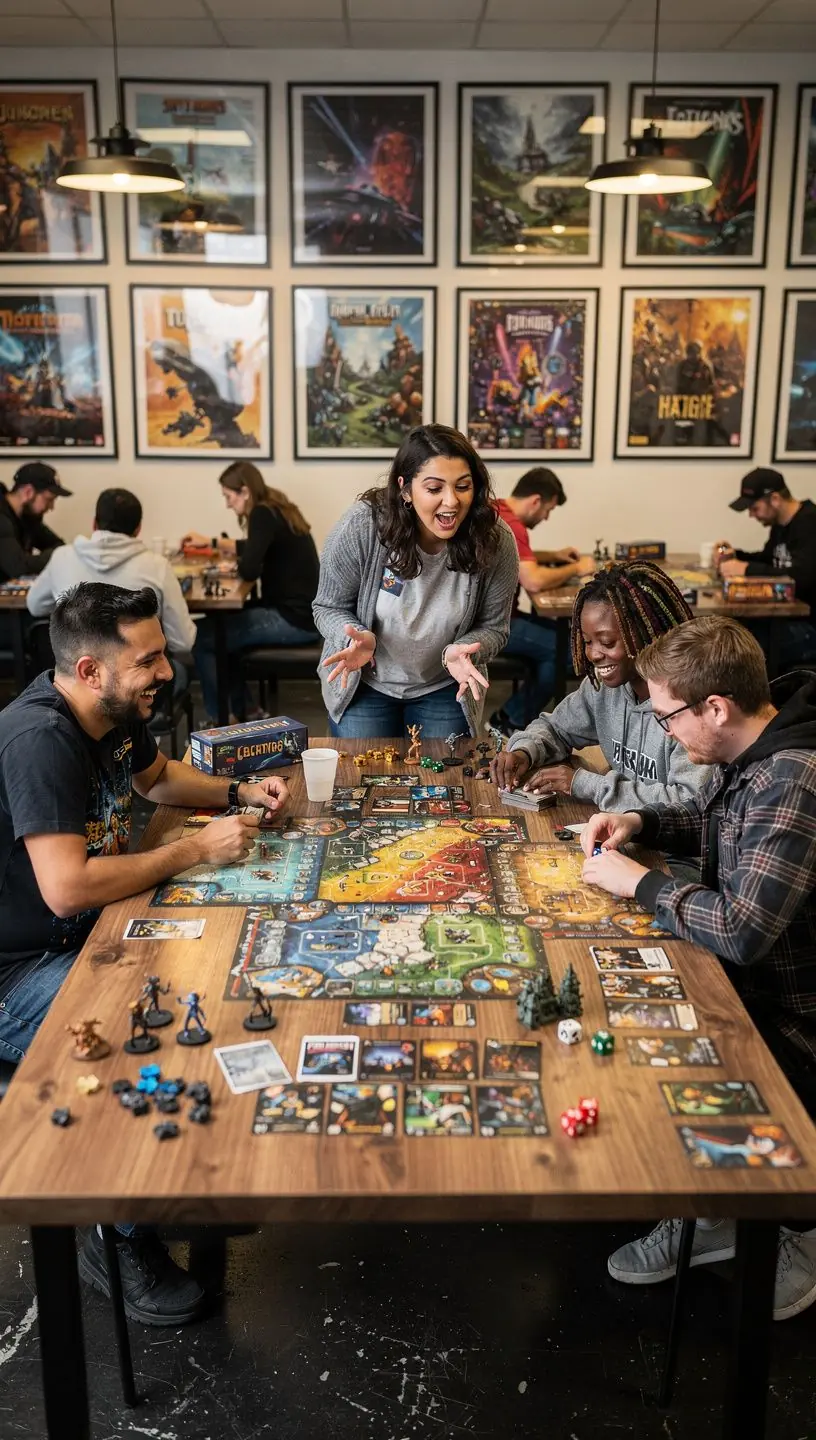
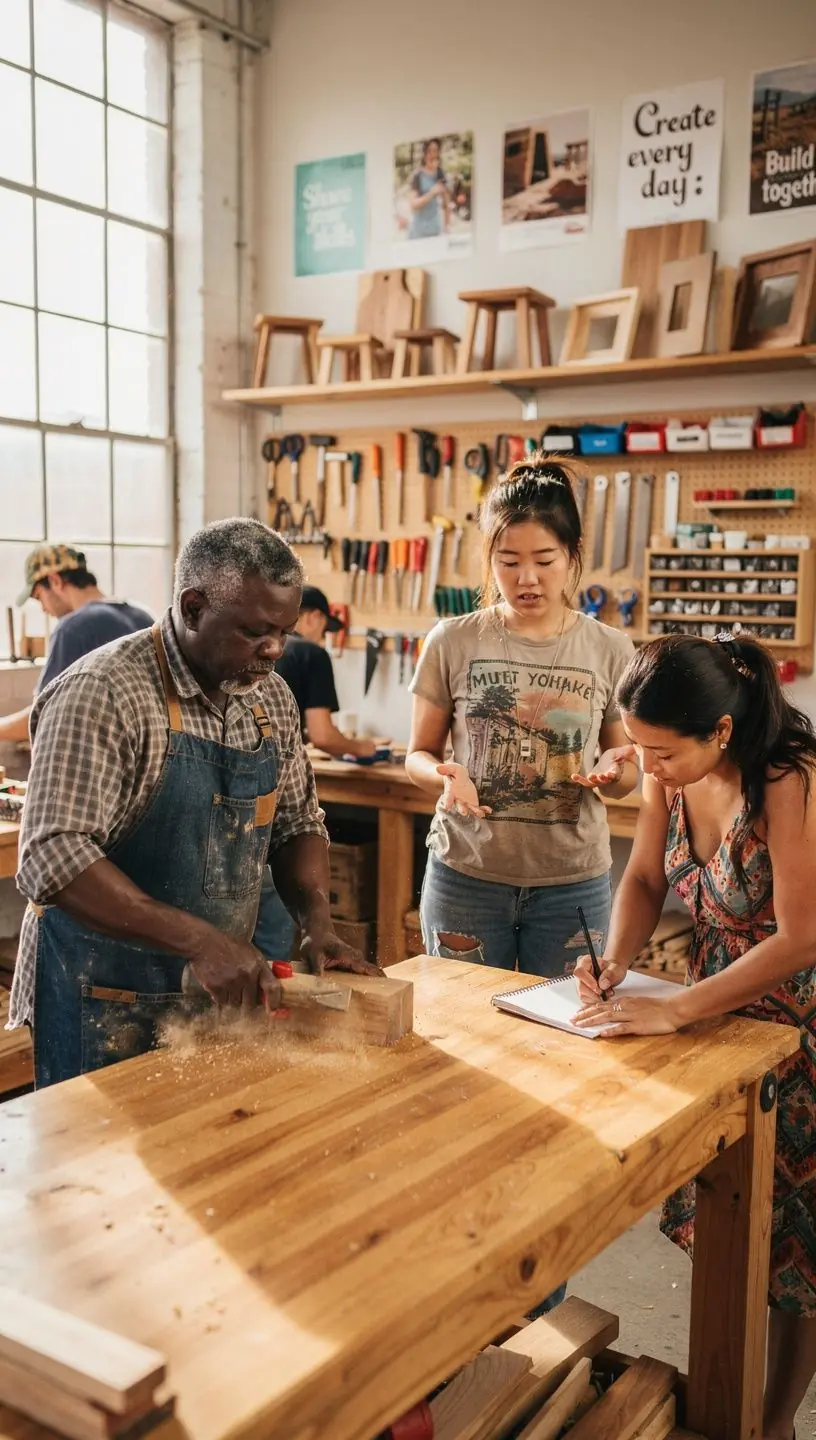
As the popularity of hobby co-working spaces continues to rise across the United States, understanding the community dynamics within these shared environments has become crucial. These spaces foster creativity and collaboration, but they also present unique challenges and opportunities that can affect user experiences. This article explores the dynamics of community in shared workspaces, providing insights into how these environments can be optimized for better collaboration.
Understanding the Basics
Community dynamics in shared workspaces often revolve around interaction patterns and relationships among members. Research indicates that collaboration can significantly boost creativity and productivity, with studies showing that team-based approaches can lead to a 20-30% increase in output in environments conducive to cooperation. The principle behind this is simple: when individuals share ideas and resources, they can produce more innovative solutions than when working in isolation.
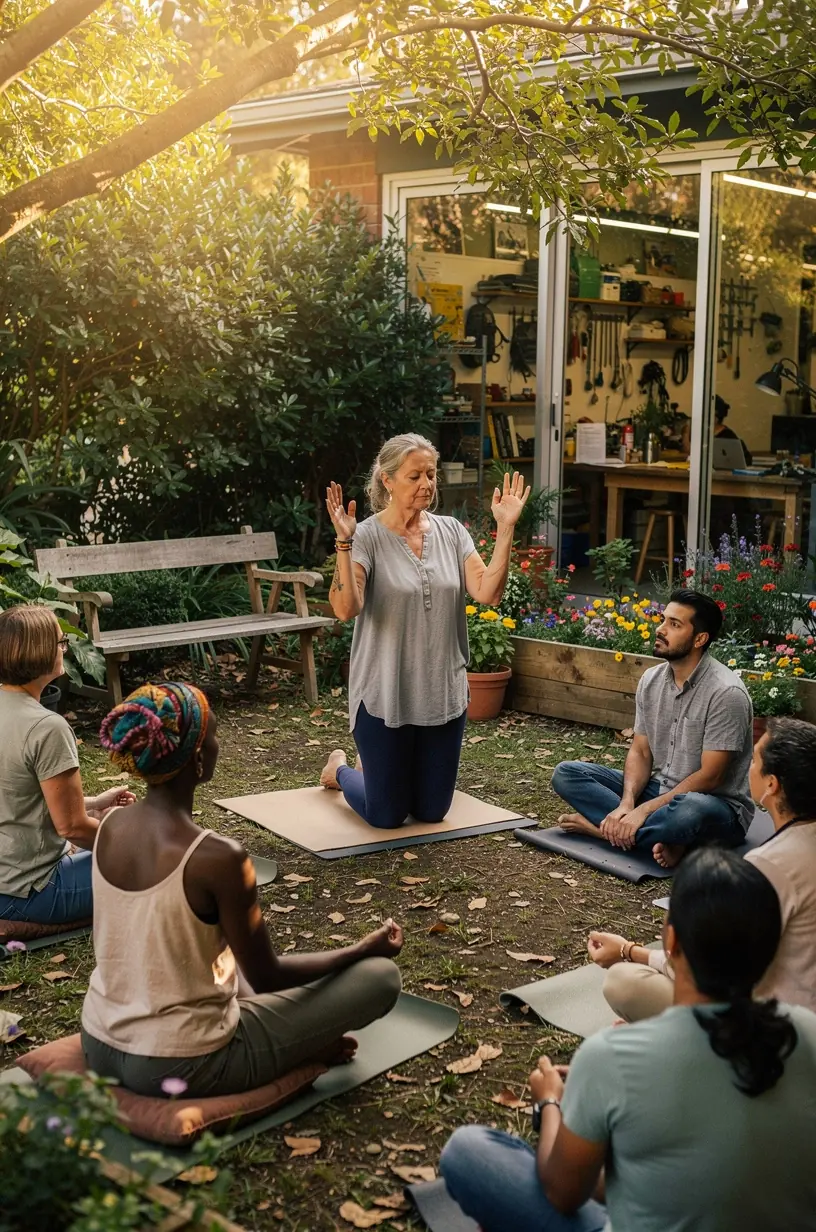
"Successful collaboration in shared workspaces isn't just about sharing tools, but also about fostering relationships that enhance creativity and productivity." - Community Dynamics Expert
Key Factors Influencing Community Dynamics
Several factors typically influence the dynamics of shared workspaces:
- Physical Layout: The design and arrangement of the workspace can impact how easily members interact. Open spaces with communal areas encourage interaction.
- Organizational Culture: The values and norms established by the workspace management can set the tone for community engagement and collaboration.
- Member Diversity: A diverse community often leads to a richer exchange of ideas, as different backgrounds and skill sets can contribute to more comprehensive problem-solving.
Practical Application of Community Dynamics
To foster a positive community dynamic within a shared workspace, consider the following strategies:
- Create Spaces for Interaction: Design areas that encourage spontaneous conversations and collaboration. This could include lounge areas, communal kitchens, or event spaces where members can gather.
- Encourage Networking Events: Hosting regular networking events can help members connect with one another, building relationships that may lead to collaboration. Experts recommend that these events include a mix of structured and informal elements.
- Implement Feedback Mechanisms: Establishing a system for members to voice their opinions and suggestions can create a sense of ownership and belonging within the community. This feedback can be invaluable for improving the workspace and maintaining a dynamic environment.
Acknowledging Limitations
While fostering a strong community dynamic can lead to numerous benefits, it is essential to acknowledge some limitations. Developing a cohesive community typically takes time, often requiring several months before the full benefits are realized. Moreover, the effort needed to engage with others can be a barrier for some individuals, particularly those who may be introverted or new to the co-working experience.
Conclusion
Understanding community dynamics in shared workspaces is vital for maximizing the potential of these environments. By implementing strategies that encourage interaction, celebrate diversity, and maintain open communication, co-working spaces can create a culture of collaboration that not only improves productivity but also enriches the creative process. As research indicates, effective collaboration often leads to greater innovation, making it essential for members and managers alike to prioritize community dynamics in their shared workspaces.
Learn More