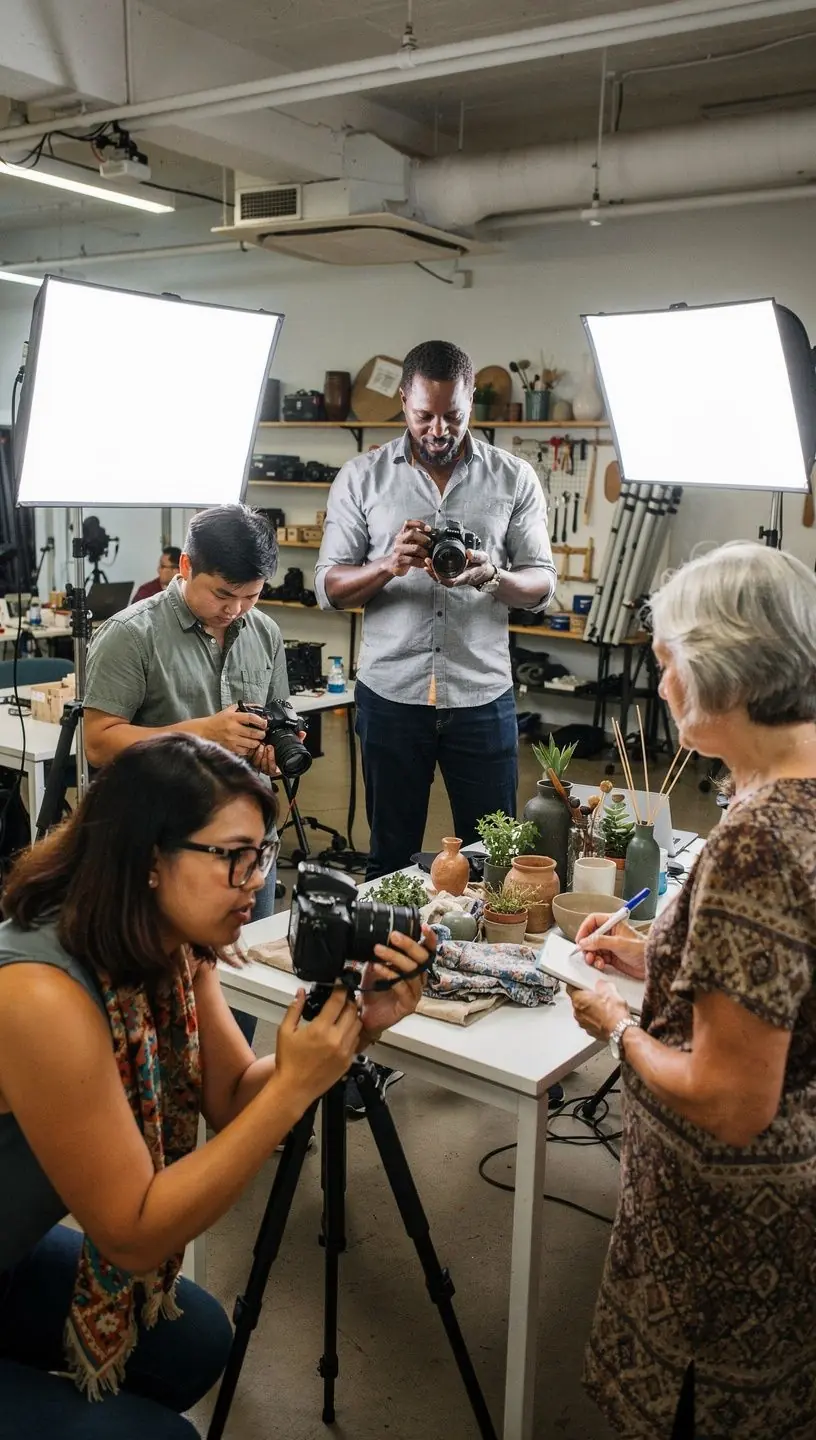
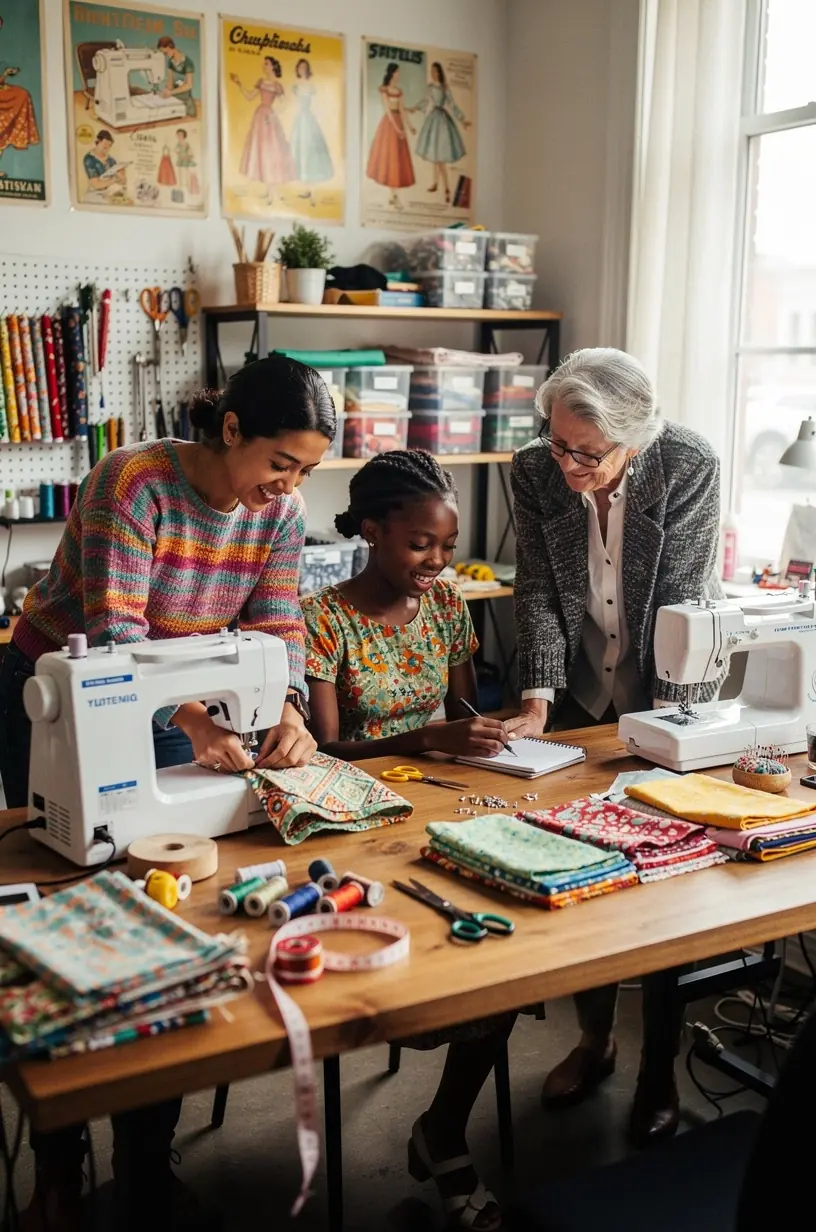
The Role of Networking in Creative Collaborations
In today's fast-paced creative landscape, collaboration is often the key to success. This article explores how networking can enhance creative collaborations in hobby co-working spaces, providing valuable insights for enthusiasts and professionals alike.
Understanding Networking in Creative Contexts
Networking refers to the act of creating and nurturing professional relationships that can lead to opportunities for collaboration and support. In creative fields, these connections can be especially beneficial, as they often lead to sharing resources, ideas, and tools. According to a study by the American Creativity Association, networking can significantly enhance creative output by facilitating diverse perspectives.
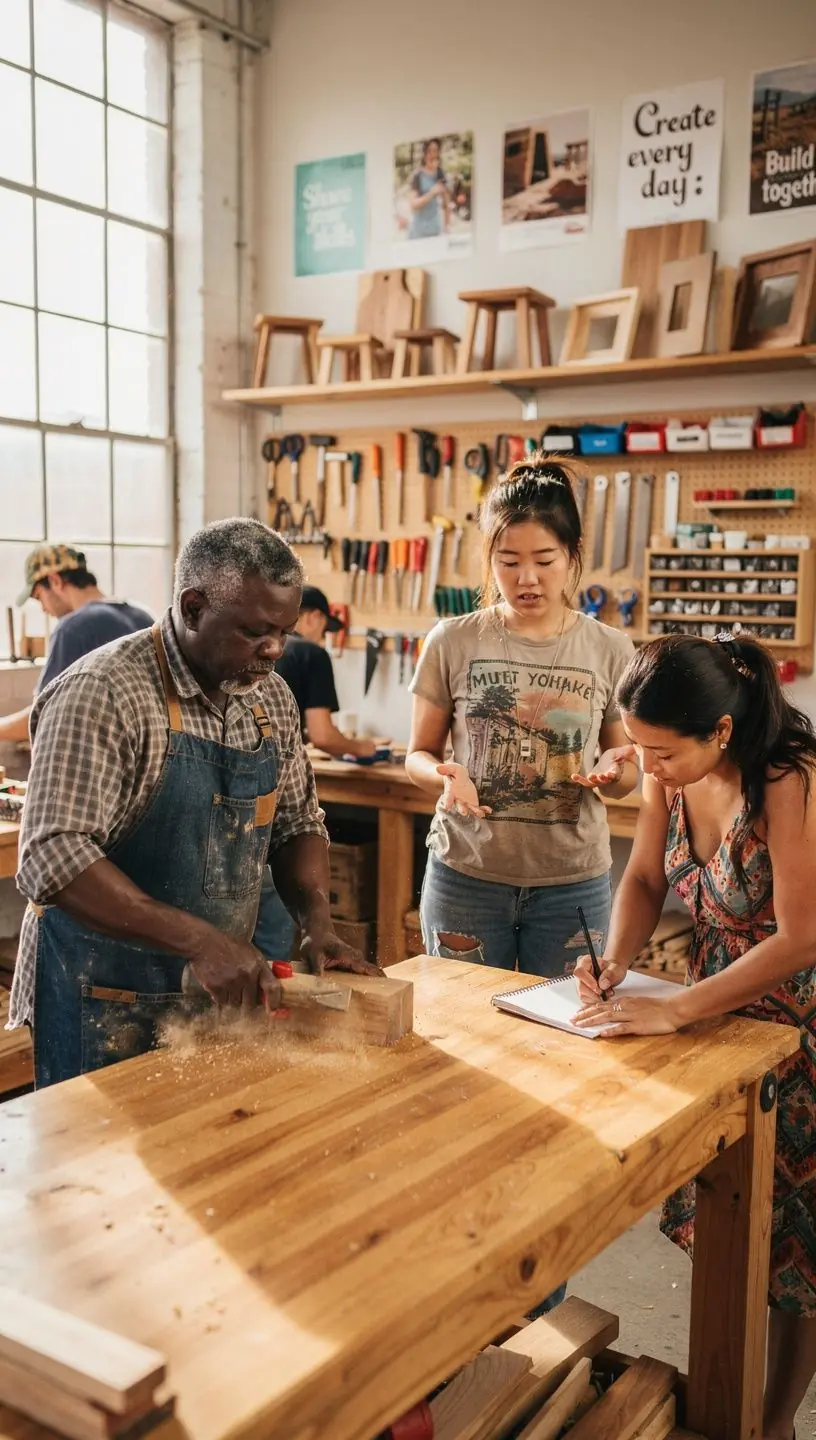
"Networking in creative environments is not just about exchanging contact information; it's about building relationships that foster collaboration and innovation." – Industry Expert
Benefits of Networking in Hobby Co-Working Spaces
Many users report that networking within co-working spaces can lead to various advantages, including:
- Access to Resources: Shared tools and equipment can be better utilized when individuals collaborate.
- Diverse Skill Sets: Creative collaborations often involve individuals with different skill sets, which can enhance the quality of the work produced.
- Increased Motivation: Working alongside other creative individuals can foster a productive environment, motivating participants to pursue their projects actively.
How to Effectively Network in Creative Spaces
To maximize the benefits of networking, consider the following strategies:
- Engage Actively: Attend events, workshops, and meetups regularly to meet like-minded individuals.
- Offer Assistance: Many experts recommend that helping others can lead to reciprocal support, creating a more collaborative community.
- Follow-Up: After initial meetings, maintaining connections through social media or email can help solidify relationships.
Acknowledging Limitations
While networking can be beneficial, it is essential to recognize that it typically requires time and effort. Building meaningful relationships often takes several months of consistent interaction. Additionally, networking may not yield immediate results and works best when individuals are genuinely interested in collaboration rather than merely seeking personal gain.
Conclusion
Networking plays a crucial role in fostering creative collaborations within hobby co-working spaces. By understanding how to connect with others and the potential benefits of these relationships, individuals can enhance their creative pursuits. Remember, success in networking doesn't happen overnight; it requires dedication and a willingness to engage with others. By following these guidelines, you can build a network that supports your creative endeavors, potentially leading to innovative projects and exciting opportunities.