Facilitating Skill Sharing in Hobby Co-Working Communities
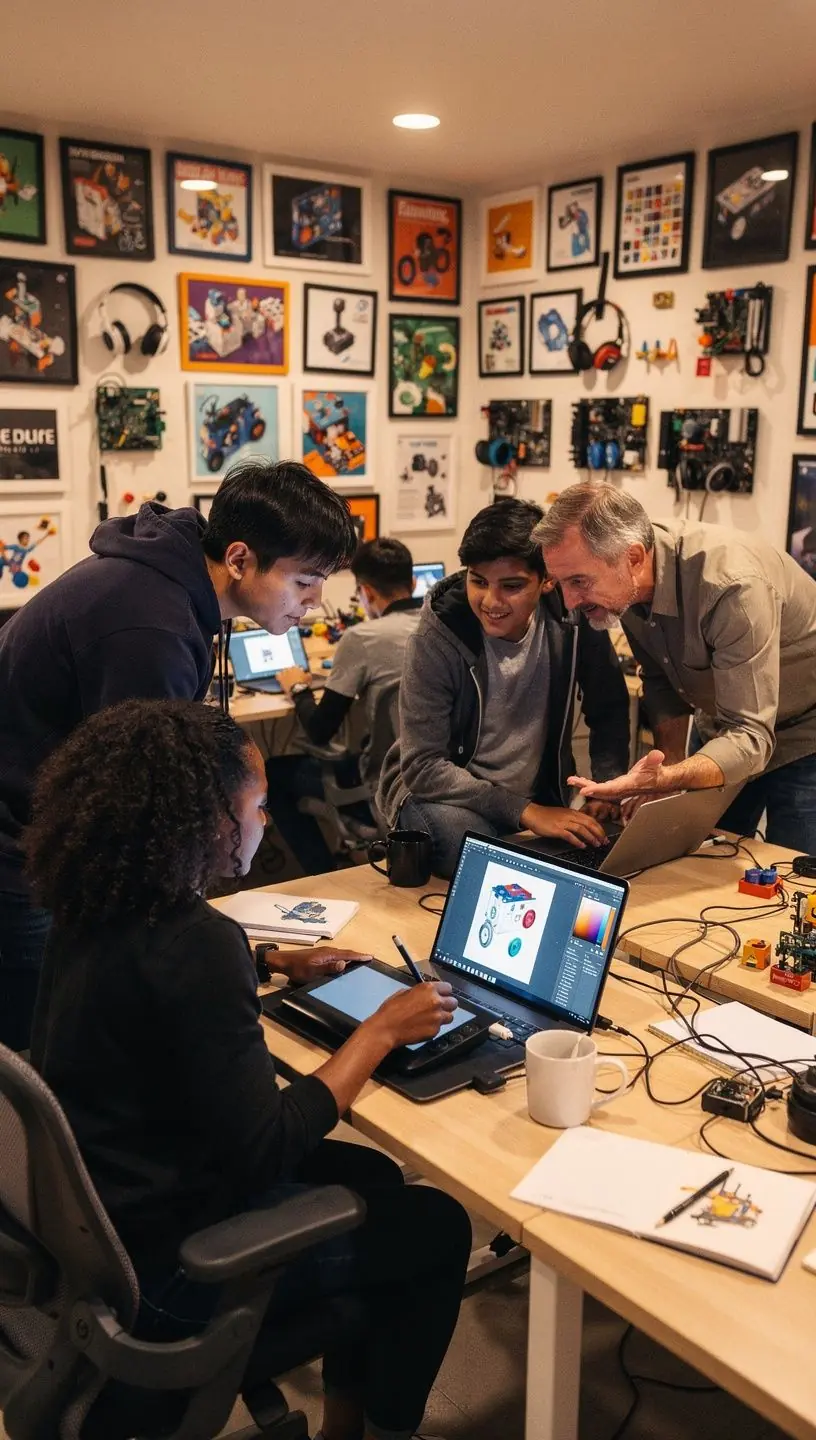
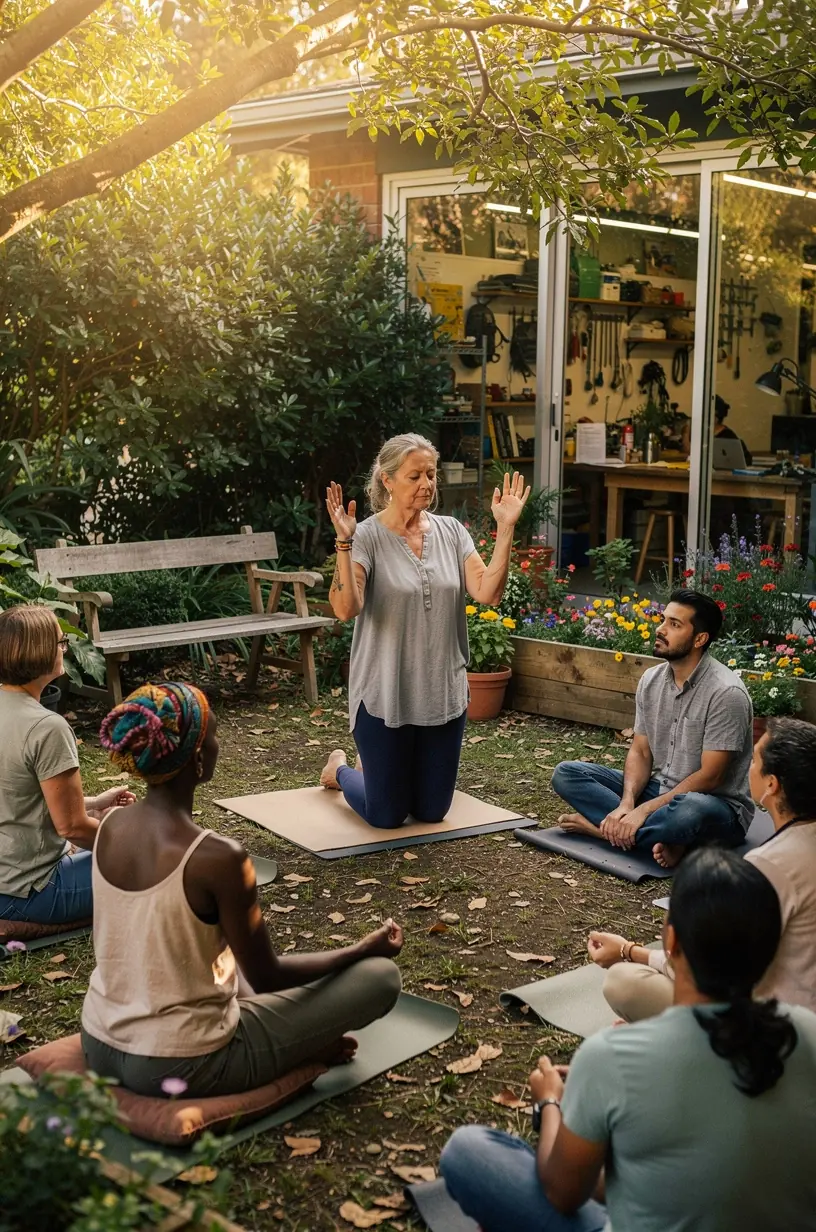
As more people seek creative outlets and collaborative environments, hobby co-working spaces have emerged as popular hubs for skill sharing and innovation. These spaces not only foster community engagement but also provide access to shared tools and resources, enhancing the overall experience for hobbyists. This article explores how hobby co-working communities can effectively facilitate skill sharing among members.
Understanding the Dynamics of Skill Sharing
Skill sharing is the practice of exchanging knowledge and expertise among individuals, often within a community setting. According to research by the National Endowment for the Arts, participatory art experiences, which include skill sharing, can significantly enhance social connectedness and personal satisfaction. In hobby co-working spaces, this dynamic typically fosters an atmosphere of collaboration where members can learn from one another.
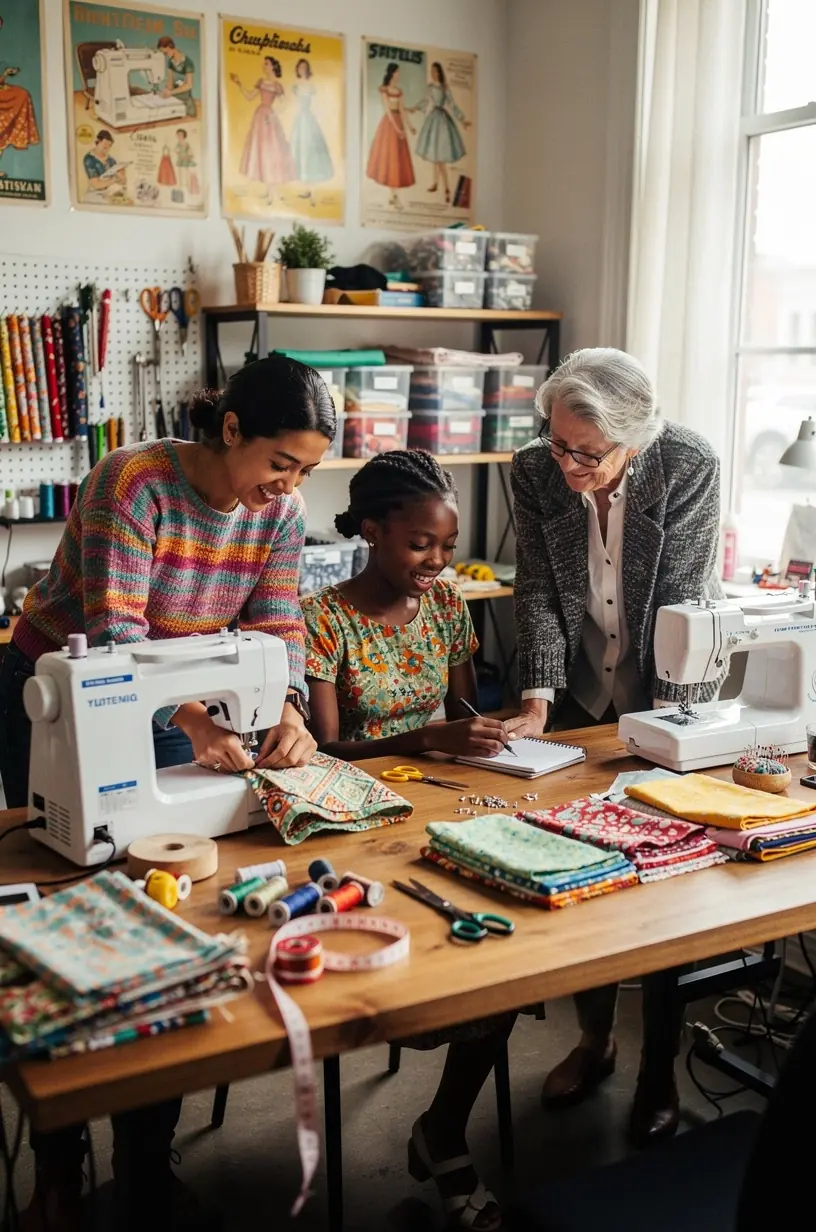
"Community-driven learning environments increase engagement and creativity, according to studies from the American Psychological Association."
Creating a Framework for Skill Sharing
To facilitate effective skill sharing in co-working communities, it’s essential to establish a structured framework. Here are some common practices that can enhance skill-sharing efforts:
- Organize Workshops: Regular workshops can encourage participation and allow members to share their skills in a structured manner. Research indicates that interactive learning experiences can improve retention and understanding of new concepts.
- Peer Mentorship: Pairing experienced members with novices can create valuable mentorship opportunities. Industry experts suggest that mentorship relationships often lead to increased confidence and skill development.
- Skill Sharing Platforms: Utilizing digital platforms or community boards to list skills available for sharing can effectively connect members. This approach works best when everyone feels comfortable promoting their expertise and seeking help.
Challenges and Considerations
While facilitating skill sharing can yield significant benefits, it’s important to recognize some potential challenges:
- Time Commitment: Skill sharing often requires a commitment from both the mentor and the learner. Engaging in this process typically demands a consistent time investment, which can be a barrier for some members.
- Varied Skill Levels: Members may have differing levels of expertise, which can complicate the learning process. It’s crucial to set clear expectations about what can be achieved through skill sharing, as not all situations may be ideal for every participant.
- Resource Availability: Access to tools and materials is vital for successful skill sharing. In most cases, communities that provide adequate resources—whether through shared equipment or materials—report higher engagement in learning activities.
Conclusion
Hobby co-working spaces present a unique opportunity for individuals to share skills and collaborate creatively. By implementing structured frameworks for skill sharing, communities can enhance member engagement and foster a culture of continuous learning. While challenges exist, addressing them with realistic expectations and supportive resources can lead to rewarding experiences for all involved. Embracing this collaborative spirit not only enriches individual hobbies but also strengthens the community as a whole.
Learn More