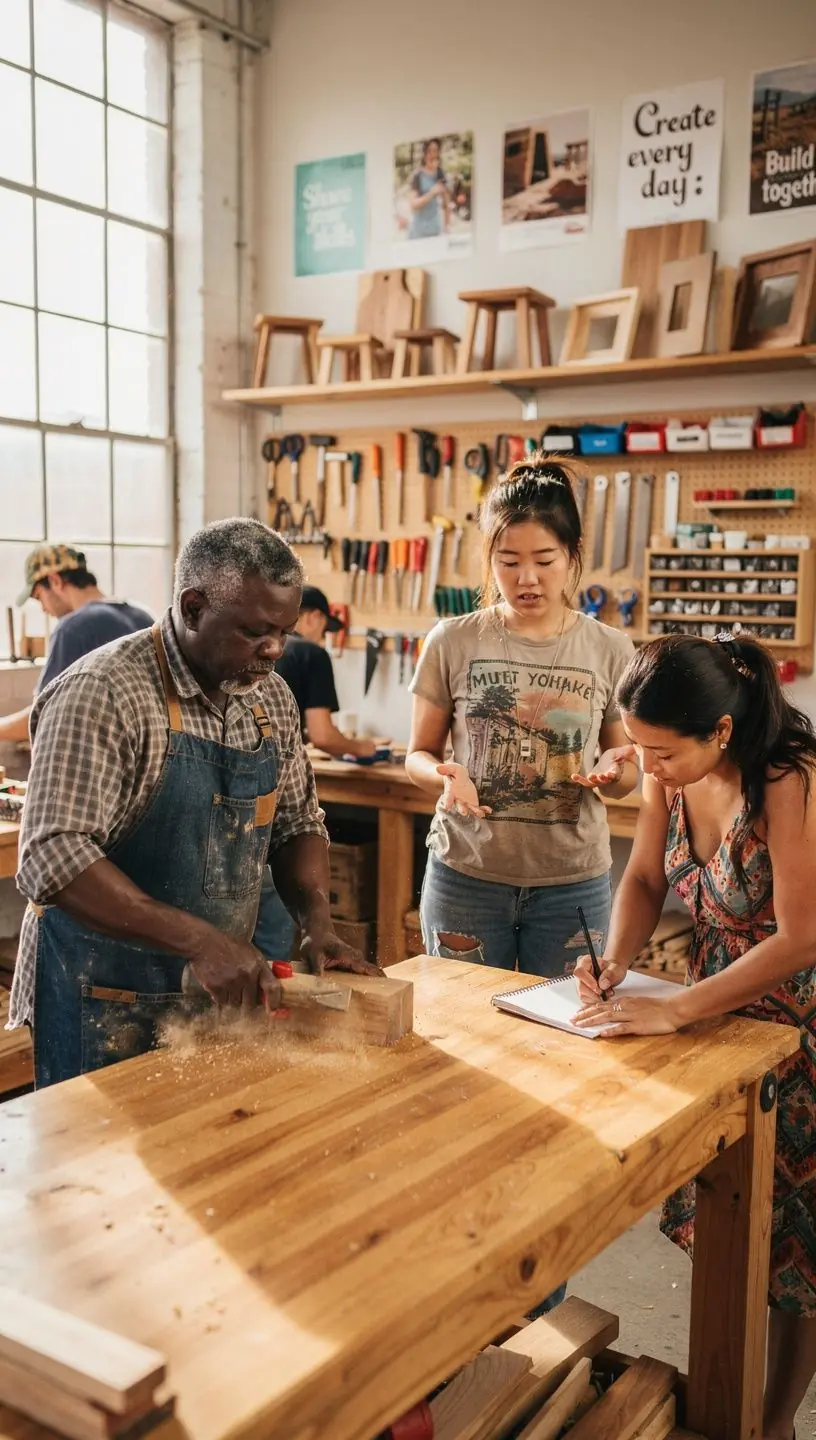
Creating a Productive Environment for Creative Collaboration
As the demand for innovative solutions continues to rise, the importance of a productive environment for creative collaboration in hobby co-working spaces cannot be overstated. By understanding the key elements that foster creativity, users can enhance their collaborative efforts and increase overall productivity.
Understanding the Basics
Creating an effective collaborative environment involves several factors. Research indicates that the layout of a workspace can significantly impact creativity and productivity. Open spaces that encourage interaction, combined with quiet areas for focused work, are often recommended by experts in the field. This dual approach helps accommodate various working styles, which is essential for diverse groups.
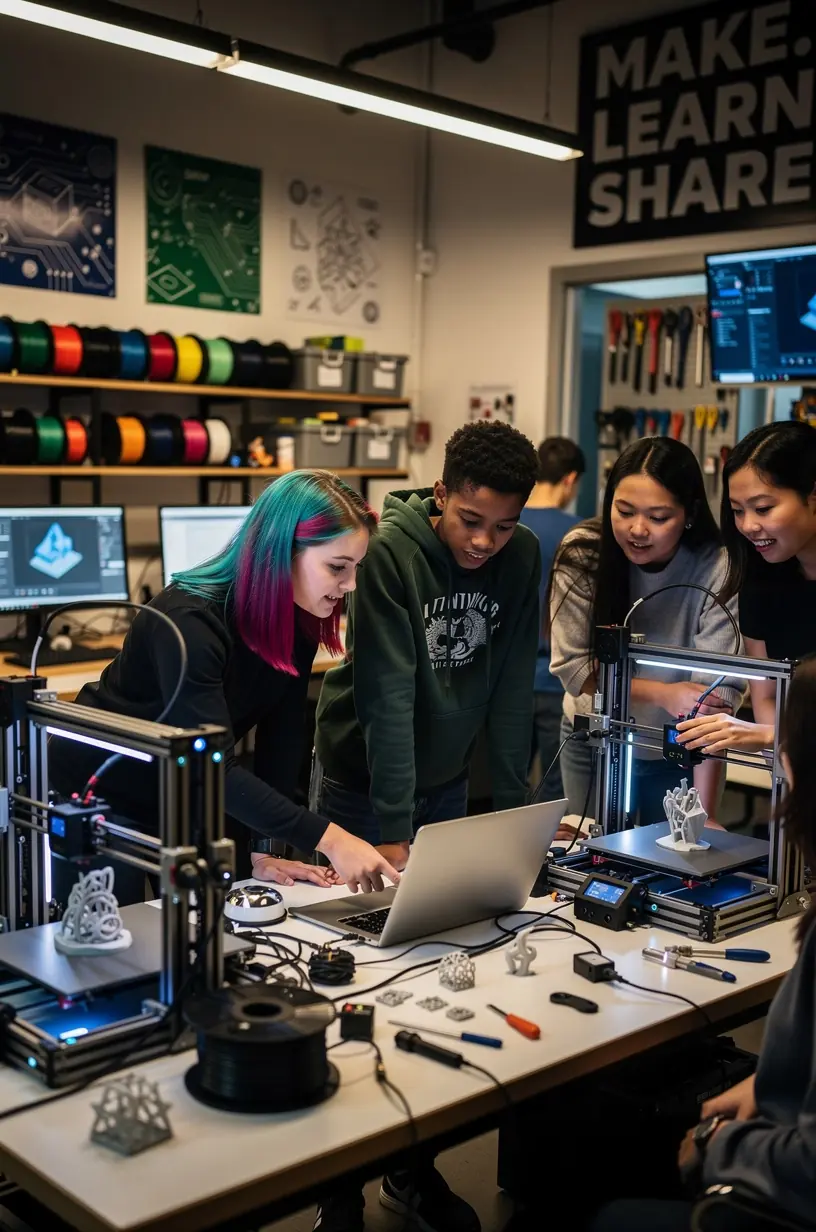
"A well-designed workspace can boost creativity and collaboration by as much as 20-30% in shared environments."
Key Elements of a Productive Collaborative Space
To foster a productive atmosphere, consider integrating the following elements into your hobby co-working space:
- Flexible Layout: Spaces that can be reconfigured allow for different group sizes and activities. This versatility is crucial as it adapts to the specific needs of creative projects.
- Shared Tools and Resources: Access to tools that facilitate collaboration, such as whiteboards, projectors, and creative software, helps streamline the creative process. Studies show that when users have the right tools at their fingertips, they can work more efficiently and effectively.
- Comfort and Aesthetics: A visually appealing and comfortable environment can enhance motivation. Elements like natural light, plants, and ergonomic furniture are often cited as beneficial for maintaining high energy levels during collaborative sessions.
Encouraging Collaboration through Community Engagement
Another key aspect of a productive collaborative environment is fostering community engagement. Many users report that social interactions play a pivotal role in inspiring creativity. Hosting regular events, workshops, or informal meet-ups can significantly enhance relationships among members, encouraging spontaneous collaboration.
Recognizing Limitations and Setting Realistic Expectations
While creating an optimal environment is important, it’s essential to recognize that it typically takes time for groups to establish effective collaboration norms. In most cases, users may not see immediate results; it often requires a commitment of several weeks to months to build trust and cohesiveness within a team.
Moreover, the effectiveness of a collaborative space can be influenced by factors such as:
- The diversity of skills and backgrounds within the group
- The presence of clear communication channels
- Willingness to share ideas and feedback
Conclusion
Creating a productive environment for creative collaboration in hobby co-working spaces involves a careful balance of layout, resources, and community engagement. By applying the principles discussed and acknowledging the time required for effective collaboration, individuals can significantly enhance their creative processes. Remember, the journey towards improved creativity is a gradual one, and fostering these elements can lead to rewarding outcomes over time.